


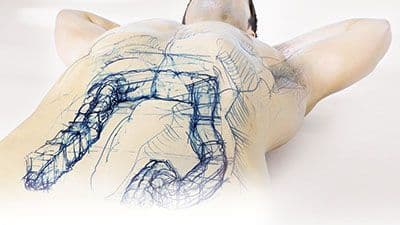
Proctology covers mainly the anus and rectum. It is a medical specialty with a long history, covering more than 100 common conditions.
With modern lifestyles and eating habits, many young people suffer from anorectal diseases, and surveys in proctology show that women are more likely to be affected than men. In today's food culture, most food is highly processed and low in fiber, and greasy and spicy food is everywhere, so internal, external and mixed hemorrhoids have become common in young women and men.
Office workers who sit at a computer for long hours are also prone to anorectal diseases. Long periods of inactivity impair blood circulation in the lower body, causing chronic indigestion and increasing the risk of anorectal disease. Excessive smoking and drinking, mood swings and lack of sleep are other triggers. There are many causes of anorectal disease; these are just the most common ones.
Common anorectal diseases
Of the more than one hundred conditions in proctology, about 30 are common, including internal, external and mixed hemorrhoids; anal conditions such as anal fistulas, fissures, abscesses and anal skin diseases; and rectal conditions such as proctitis, ulcers, rectocele, internal rectal mucosal prolapse and outlet obstruction constipation. The most serious are anal canal cancer and rectal cancer.
Patients with anorectal diseases usually have obvious anal and rectal discomfort – a distinctive feature of the conditions covered by proctology. Symptoms such as diarrhea, rectal bleeding, anal or rectal pain, anal prolapse, a feeling of rectal fullness, itching, bloating or discharge very likely indicate an anorectal disease.
Examining anal and rectal diseases
Proctological examinations can be done in several ways. In the digital rectal examination, the physician puts on gloves, applies lubricant and slowly inserts the index finger through the anus into the rectum.
This is a common method in proctology because it is simple, easy and quick, allowing rapid diagnosis of anal and rectal diseases. It is not suitable, however, for patients with a fresh anal fissure. Conditions outside proctology, such as space-occupying lesions of the seminal vesicles, appendicitis, uterine and fallopian tube lesions and prostatic hyperplasia, can also be initially assessed this way.
After an initial assessment by digital rectal examination, proctoscopy or rectoscopy (proctoscope, rectoscope) allows a more direct diagnosis and a treatment plan.
Proctoscopy
Proctoscopy is an invasive endoscopic procedure for examining the anal canal and lower rectum. It can diagnose rectal diseases such as hemorrhoids and anal fissures, and even tumors. The examination is performed in the left lateral, lithotomy or knee-elbow position. Indications include inflammation, cryptitis, papillitis, proctitis, perianal inflammation, polyps and tumors.
Rectoscopy
Rigid rectoscopy is a pioneering diagnostic method for identifying inflammatory or neoplastic changes in the rectum. The examination is performed in the left lateral, lithotomy or knee-elbow position. Indications are anal discomfort, rectal bleeding, chronic inflammatory bowel disease, polyps and tumors.
Single-use proctoscopes and rectoscopes
Richard Wolf single-use proctoscope and rectoscope tubes have long had an excellent reputation in proctological diagnostics.
Combining single-use proctoscope and rectoscope tubes with a reusable handle simplifies proctological examinations and procedures, benefiting patients and physicians alike. For more details, see the [Surgical Techniques in Proctology] page. You are also welcome to contact us directly.
For our locations in China, please visit: www.richard-wolf.cn/en/contact/sales-and-service-network/.