In conventional open abdominal surgery, patients face a long recovery after the operation. The large incision and greater damage to the abdominal organs increase both the surgical risk and the recovery period. The rise of laparoscopic surgery has therefore taken surgery to a new level.
Minimally invasive surgery is a new kind of surgery based on laparoscopic technique. As the name suggests, it leaves only very small wounds, with fast recovery and little pain.
How laparoscopic surgery works
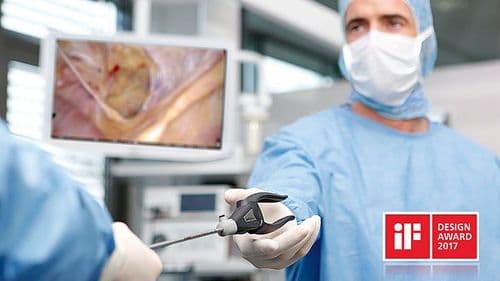
In laparoscopic surgery, 2–4 small openings are made in the patient's abdomen or flank, one of them at the navel, and tube-shaped trocars are inserted as working channels. With a miniature camera, special long, slim instruments and a cold light source illuminating the abdominal cavity, the operation is performed under a medical-grade HD monitor.
The clear difference from open surgery: Laparoscopic surgery is performed in a "closed" environment with special equipment and instruments. This reduces the incision's exposure to airborne bacteria, and cutting tissue with high-frequency electrosurgery improves hemostasis, but laparoscopic surgery places strict demands on the surgeon's skill.
Rapid advances in manufacturing have brought new technology and innovation to medicine, and most conventional operations have gradually been replaced by endoscopic procedures.
With less trauma, fewer complications, greater safety and faster recovery, laparoscopic surgery has become the ideal choice for most patients.
After a successful operation, patients can usually leave hospital in about three days and return to normal life after about a week.
That is why it is called "minimally invasive surgery". Note, however, that some special cases still require conventional open surgery.
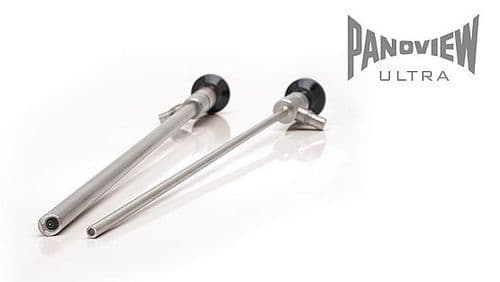
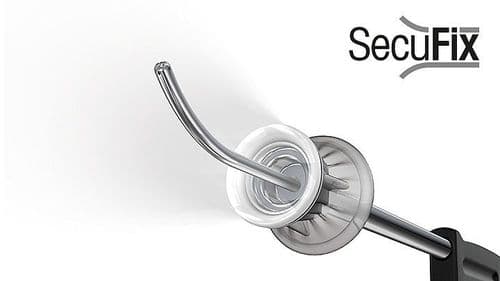
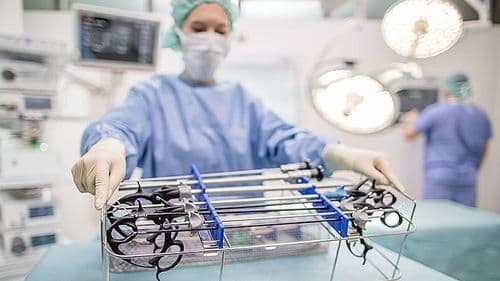
Below we introduce the instruments and equipment needed for laparoscopic surgery: working instruments such as trocars, dissecting and grasping forceps, special scissors, abdominal wall suture forceps and needle holders, as well as new laparoscopes, camera controllers and ICG/NIR fluorescence imaging.
Medical instruments and equipment from Richard Wolf
Beyond the strict demands laparoscopic surgery places on surgeons, the special instruments it relies on are also very important: their quality, safety design and ease of use must all be of a high standard to ensure success.
Richard Wolf provides medical equipment and instruments for minimally invasive surgery that combine innovation and quality. Since 1906 the company has been dedicated to advancing medicine and technology, and its craftsmanship and quality are recognized throughout the medical world.
Richard Wolf is also a full-range supplier in urology with an exceptionally broad product portfolio.
You are also welcome to contact us directly. For our locations in China, please visit:www.richard-wolf.cn/en/contact/sales-and-service-network/ .
Laparoscopic surgery – dedicated equipment and instruments include: