Kidney stones are a common urological condition, especially in young and middle-aged adults. Nearly 9% of adults are affected, and with the trend towards unhealthy diets and lifestyles, the rate is expected to rise further.
Percutaneous nephrolithotomy (PCNL) has long been one of the standard procedures for kidney stones. A surgical tract is created from the skin of the patient's flank to the kidney, and the stones are removed with advanced minimally invasive instruments such as dedicated endoscopes, medical-grade HD monitors and laser lithotripsy tools.
The technique has been used in China since 1985. Mini percutaneous nephrolithotomy (Mini-PCNL) further improves the efficiency and precision of conventional PCNL while offering patients a minimally invasive procedure with less trauma and faster recovery. It also places higher demands on instruments and surgeons.
Advantages of percutaneous nephrolithotomy
Before the nephroscope was developed, kidney stones could have a major impact on patients' lives – especially for busy working men.
In the early stages, when the stones are small, there may be no obvious symptoms, but as they grow, patients suffer distending, colicky and dull pain, as well as blood in the urine.
Severe cases can even lead to infection and kidney failure. On top of that, conventional open stone removal left a wound of nearly 20 cm, making it a very painful condition for patients.
Percutaneous nephrolithotomy has greatly reduced the suffering caused by kidney stones. Instead of an incision larger than a hand, this new minimally invasive procedure needs only a coin-sized incision of about 1 cm.
PCNL also removes stones more completely, reducing the risk of recurrence, and the faster recovery lowers the risk of hospital-acquired infection.
The procedure also saves busy city dwellers a great deal of time in hospital and recovery, so they can return to work sooner.
Procedures for treating kidney stones
Besides mini percutaneous nephrolithotomy (Mini-PCNL), procedures for treating kidney stones include:
- Laparoscopic pyelolithotomy (LPL)
- Retrograde intrarenal surgery (RIRS)
Comparative results for these procedures are available from studies in China and abroad. With improvements in instrument manufacturing and progress in urological surgery, however, Mini-PCNL has become a highly effective treatment for kidney stones.
Which procedure is used depends on the individual patient and is decided by the attending physician.
Nephroscopes and related equipment
Advances in instrument and equipment manufacturing are one of the main reasons Mini-PCNL has become a mainstream procedure for kidney stones.
Beyond the strict demands laparoscopic surgery places on surgeons, the special instruments it relies on are also very important: their quality, safety design and ease of use must all be of a high standard to ensure success.
Medical instruments and equipment from Richard Wolf
Richard Wolf provides medical equipment and instruments for minimally invasive surgery that combine innovation and quality. Since 1906 the company has been dedicated to advancing medicine and technology, and its craftsmanship and quality are recognized throughout the medical world.
Richard Wolf is also a full-range supplier in urology with an exceptionally broad product portfolio.
Visit www.richard-wolf.cn/en/disciplines/urology/surgical-techniques-in-urology/ to learn more about instruments and equipment for mini percutaneous nephrolithotomy (Mini-PCNL). You are also welcome to contact us directly. For our locations in China, please visit:www.richard-wolf.cn/en/contact/sales-and-service-network/.
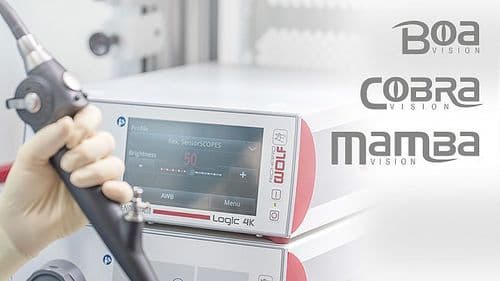
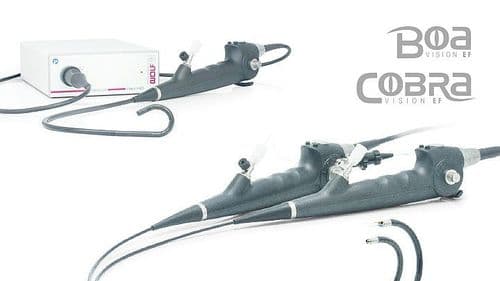
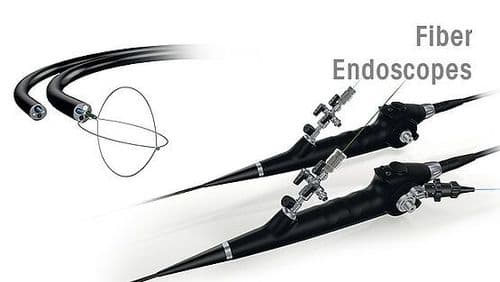
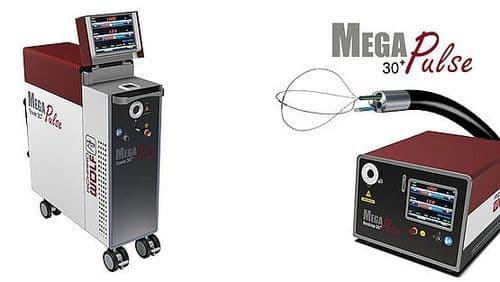
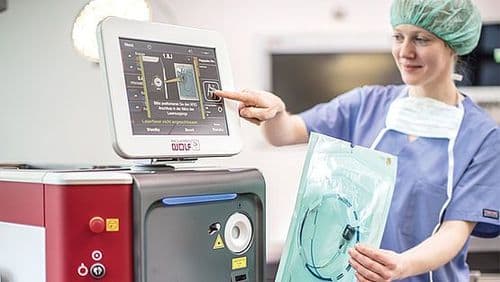
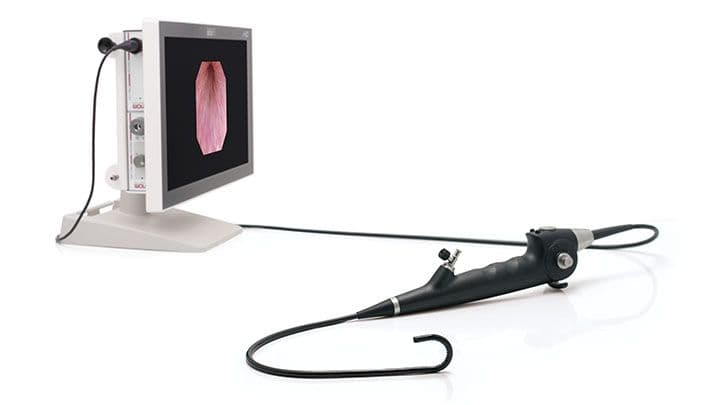
Richard Wolf instruments and equipment for mini percutaneous nephrolithotomy (Mini-PCNL) include: