During pregnancy, mother and baby need a professional obstetrician.
After birth, a pediatrician takes responsibility for the newborn's health and development, including physical and mental development, health care and the prevention and treatment of childhood diseases. Only after adolescence, on entering adulthood, does care move from pediatrics to the adult specialties.
Generally, children under 18 fall within pediatrics: as long as they are still growing, pediatrics is responsible for their health and disease prevention.
Pediatrics – a comprehensive medical science
Pediatrics emerged as a comprehensive medical science in the late 19th century. Its main task is to keep exploring and building on pediatric medical theory in order to reduce illness and death in children. Its development must also take into account the growth and physical health of newborns to adolescents while improving disease prevention and treatment.
Because children's organs and bodies are still developing and differ from fully developed adult organs, their respiratory, blood, digestive, circulatory, nervous, immune, metabolic, renal and endocrine systems differ from those of adults. Pediatrics follows different rules and has different research topics and must be clearly distinguished from adult specialties; pediatric infectious diseases and emergency medicine also have their own research directions.
Common pediatric conditions
Common pediatric conditions include stomach upsets and diarrhea, bronchitis, sticky eyes, conjunctivitis, asthma, coughs and colds, chickenpox, urinary tract infections, constipation, ear infections, hand, foot and mouth disease and attention deficit hyperactivity disorder (ADHD).
Surgical Techniques in Pediatrics
Beyond these common conditions, diseases requiring surgery have a greater impact on children, including diseases of the bronchi, larynx, chest and urinary tract. Because children's bodies and internal organs differ greatly from those of adults, especially in space and size, pediatric surgical techniques are especially important.
Adults have their own medical instruments, and so must children – especially when weighing the effects and side effects of surgical treatment.
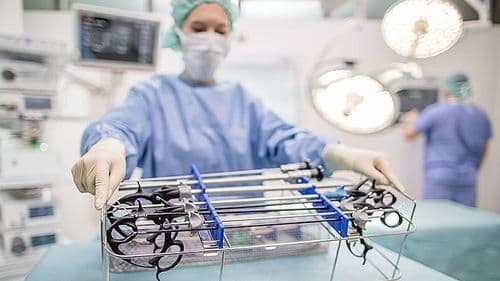
Finer, smaller medical instruments give physicians more suitable tools in pediatric surgery and help young patients suffer less pain and recover more quickly.
Instruments for pediatric surgery
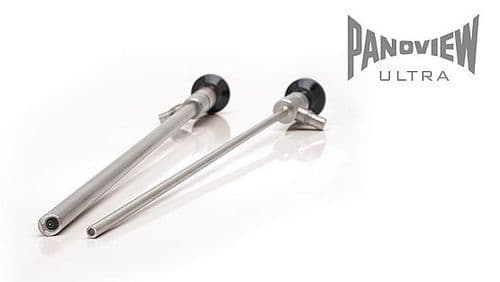
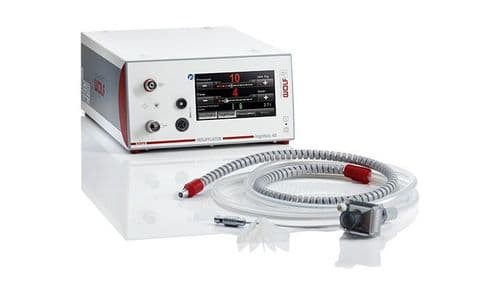
For minimally invasive pediatric surgery, Richard Wolf works with experienced pediatric surgeons to develop dedicated endoscopy systems and a range of instruments for pediatric surgery。
In every field from abdominal, thoracic and oncological surgery to pediatric urology and pediatric orthopedics, including surgery for malformations, Richard Wolf instrument technology gives physicians more room to apply their surgical skills and lets pediatric surgeons work flexibly.
. For details, see the [Surgical Techniques in Pediatrics] page on the Richard Wolf website.
You are also welcome to contact us directly. For our locations in China, please visit:www.richard-wolf.cn/en/contact/sales-and-service-network/.