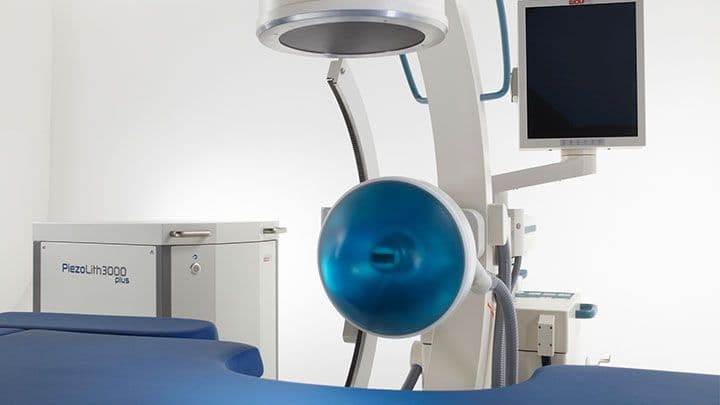
Shockwave therapy is a non-invasive treatment technique, meaning no incision or insertion into the patient's skin or tissue is needed.
With advanced high-tech devices that emit shockwaves, physicians can apply extracorporeal shockwave treatment to different diseased tissues.
Below we introduce the use of shockwaves in medicine: how they work, the conditions they can treat, treatment methods and the related devices and equipment.
How shockwaves work and where they are used
As a non-invasive treatment, shockwaves can be applied to many tissues in the body, including bone, muscle, blood vessels, cartilage and the organs of the urinary tract. Common treatments include extracorporeal shockwave therapy (ESWT), extracorporeal shockwave lithotripsy (ESWL), trigger point shockwave therapy (TPST) and shockwave therapy for erectile dysfunction (LSTC-ED).
These treatments are supported by a large body of clinical literature confirming the safety and excellent results of shockwave therapy. The principle is not complicated: a device emits shockwaves that pass through the skin into deep tissue – the affected, painful area or the organ containing a stone – where the physical impact stimulates new blood vessel growth or breaks up stones. How the shockwaves work depends on the function and technology of the hospital's equipment.
Extracorporeal shockwave lithotripsy (ESWL)
The first shockwave devices were used to break up stones in the urinary tract, such as kidney, ureteral and bladder stones. In February 1980, physicians in Munich, Germany, first used shockwaves clinically to treat kidney stones with good results; use for other conditions developed gradually later.
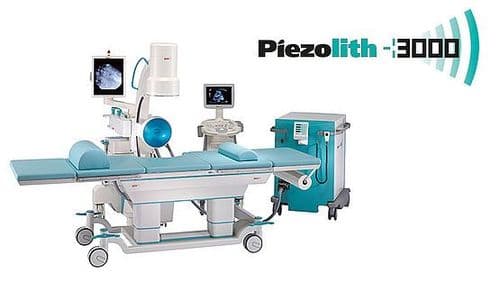
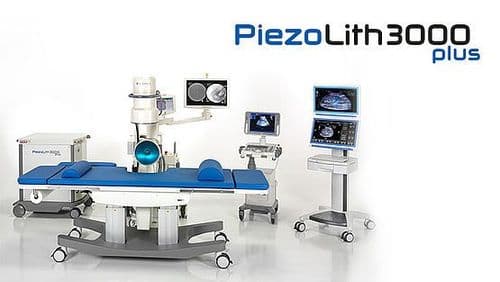
Today's extracorporeal lithotripters use three principles: electrohydraulic, electromagnetic and piezoelectric shockwaves. Richard Wolf's piezoelectric PiezoLith 3000 Plus lithotripter is currently the only shockwave method that uses "direct focusing" without an additional reflector. Piezoelectric technology focuses more precisely and is quiet, painless and produces high acoustic pressure at the focus.
Extracorporeal shockwave therapy (ESWT)
With further innovation, later shockwave devices were developed to treat chronic pain conditions, including but not limited to neck and shoulder pain, lumbar spine syndrome, sciatica and all kinds of myofascial pain – and even constipation and tinnitus. When evaluating ESWT in this field, clinical research focuses more on stimulating or activating the tissue substances that play a key role in self-healing than on tissue destruction.
Extracorporeal shockwave therapy also includes trigger point shockwave therapy (TPST). Before treatment, the precisely defined focus allows trigger points to be located exactly. Because the penetration depth is variable, even trigger points deep in muscle tissue can be located and treated precisely, maximizing treatment efficiency.
Extracorporeal shockwave therapy with linear focused piezoelectric shockwaves can also treat vasculogenic erectile dysfunction. The procedure is called LSTC-ED (Linear Shockwave Tissue Coverage – Erectile Dysfunction).
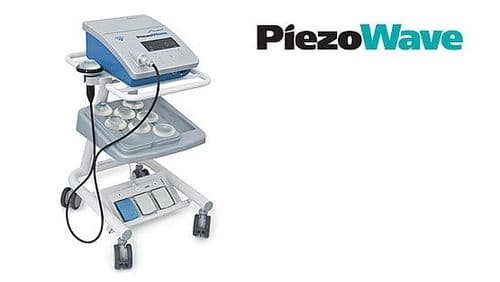
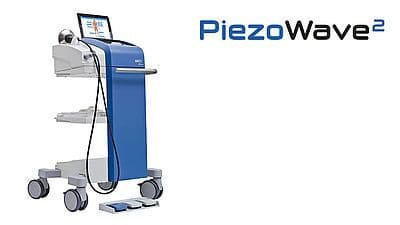
Richard Wolf's shockwave therapy devices are:PiezoWave1 & PiezoWave2, PiezoLith 3000 and PiezoLith 3000 Plus lithotripter – four devices in total. For details, see the [Shockwave Therapy Applications] page on the Richard Wolf website.
You are also welcome to contact us directly. For our locations in China, please visit:www.richard-wolf.cn/en/contact/sales-and-service-network/.