


Anorectal diseases are among the most common human diseases. As the saying goes, illness enters through the mouth: poor eating habits and other health factors can cause more than 100 diseases of the anus, rectum and large intestine.
Specifically, the two regions at the end of the large intestine – the anus and the rectum – have high incidence rates and many conditions.
Common ones include hemorrhoids, anal fissures, perianal abscesses and anal fistulas; rectal prolapse, rectocele, ulcers and inflammation are also common, along with more than 20 other conditions.
These conditions are examined and treated with a conventional anal examination and digital proctoscopy. For a deeper examination of the large intestine, a colonoscope is inserted through the anus deep into the bowel.
What is the difference between a proctoscope and a colonoscope?
Hospitals use both proctoscopes and colonoscopes. The proctoscope is for shallower examinations: when a condition can be found at the anus, physicians usually use a proctoscope or a rectoscope (whose tube is about twice as long as a proctoscope's).
Whether proctoscopy is used depends on whether the patient has rectal stenosis, an abscess or an anal fissure, and is decided by the surgeon. If necessary, it is performed under anesthesia.
In most cases a digital examination is performed first, before a proctoscope is considered.
Some anorectal diseases also require examination of the large intestine. An anal fistula, for example, occurs near the anus, but in some cases the bowel must be checked for conditions such as ulceration.
In these cases a colonoscope is used to examine the bowel in depth.
Conventional anal examination and digital proctoscopy
In a conventional anal examination, the physician puts on a finger cot or gloves, applies lubricant and slowly inserts a finger into the anus, assessing the condition by trained touch. Compared with digital proctoscopy, this carries a higher risk of misdiagnosis.
Digital proctoscopy has therefore become standard for proctoscopic examinations.
The optics of a digital proctoscope not only examine deep lesions in the anus and rectum efficiently, allowing more accurate treatment, but also capture images so patients can understand their condition. Hospitals can also manage and retrieve patient records more efficiently afterwards.
Medical instruments and equipment from Richard Wolf
Beyond the strict demands laparoscopic surgery places on surgeons, the special instruments it relies on are also very important: their quality, safety design and ease of use must all be of a high standard to ensure success.
Richard Wolf provides medical equipment and instruments for minimally invasive surgery that combine innovation and quality. Since 1906 the company has been dedicated to advancing medicine and technology, and its craftsmanship and quality are recognized throughout the medical world.
Richard Wolf is also a full-range supplier in urology with an exceptionally broad product portfolio.
Visit www.richard-wolf.cn/en/disciplines/proctology/ to learn more about proctoscopy and rectoscopy instruments and equipment. You are also welcome to contact us directly. For our locations in China, please visit:www.richard-wolf.cn/en/contact/sales-and-service-network/.
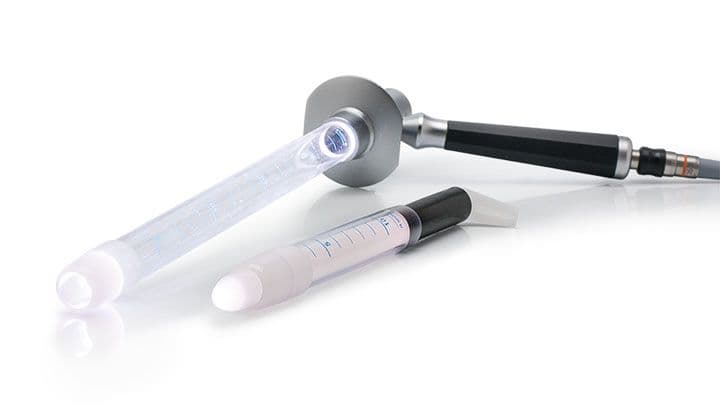
Single-use instruments reduce the risk of infection for patients during proctoscopy and rectoscopy. Richard Wolf single-use proctoscope and rectoscope tubes are individually packaged and, combined with a reusable handle, are easy to use with good illumination.
Richard Wolf instruments and equipment for proctoscopy and rectoscopy include: