Interview
Q: What do you think is the biggest challenge facing healthcare in Greater China today, especially in gynecology?
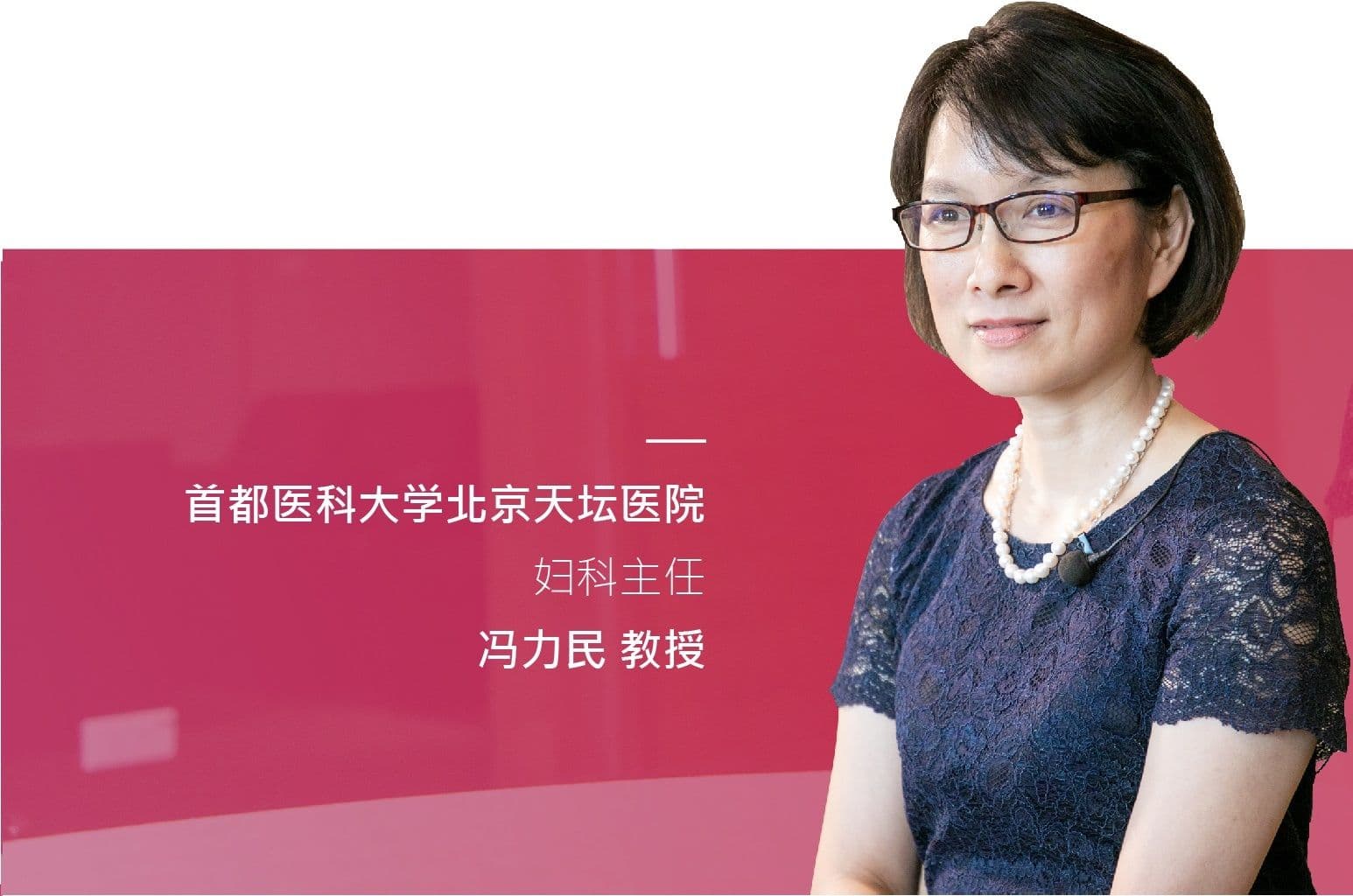
Feng: In mainland China, the biggest change in recent years has been the change in family planning policy – couples are no longer limited to one child. We like to say: where do we all come from? From the uterine cavity. Without a healthy uterine cavity, even the most advanced assisted reproduction technology cannot help. So preserving the uterine cavity and diagnosing and treating intrauterine disease are given particular importance. In recent years, and especially the last two, hysteroscopy has developed very, very quickly in mainland China, so building on what we have, we also need to spread new concepts. That is why education at every level is so especially important right now. These are the biggest changes of recent years.
Q: Could you tell us about your experience with the Richard Wolf PRINCESS resectoscope?
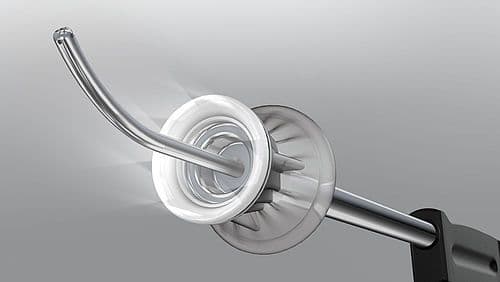
Feng: I was probably one of the first in mainland China to use the PRINCESS hysteroscopic resectoscope. Hysteroscopic resection is a traditional hysteroscopic technique and is still the gold standard today. I have been using it for about seven or eight years. What matters most is removing lesions as effectively as possible in this narrow space while protecting the surrounding endometrium, including in cases of multiple submucosal fibroids. Cesarean scar niches in particular – polyps within the niche or correcting its anatomical abnormality – are ideal indications for the PRINCESS hysteroscopic resectoscope. And of course for women who have never given birth or who are postmenopausal, the PRINCESS hysteroscopic resectoscope is very, very easy to use.
Q: Could you tell us about your experience with the Richard Wolf PRINCESS resectoscope?
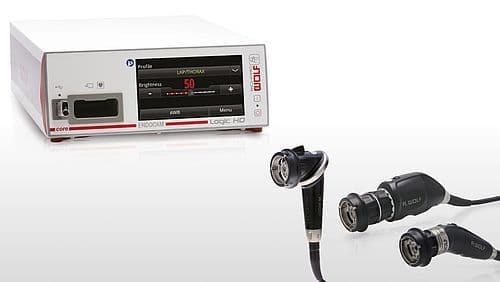
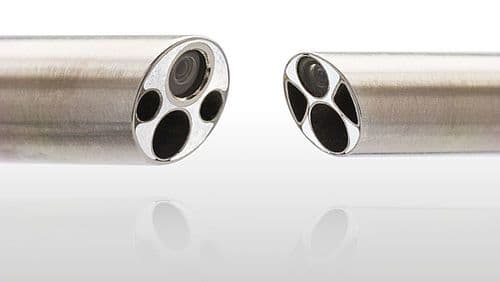
Feng: In hysteroscopic examination today, the most important thing is to promote vaginoscopy. Richard Wolf's 3.8 mm and 5 mm scopes are indispensable products for vaginoscopy, allowing patients to tolerate hysteroscopy without anesthesia. Then there is the 7 mm PRINCESS hysteroscopic resectoscope I just mentioned, and the very convenient RESECTION MASTER morcellation system: the physician inserts the scope into the uterine cavity just once, and the chips are aspirated continuously during resection. These changes in scopes and instruments have laid much of the foundation for the development of hysteroscopy.
About the expert