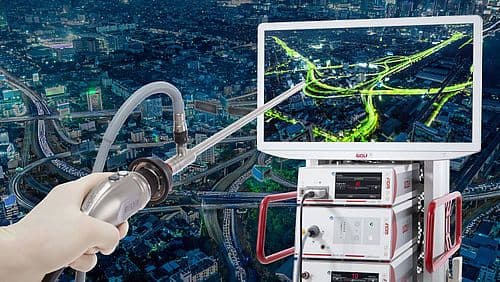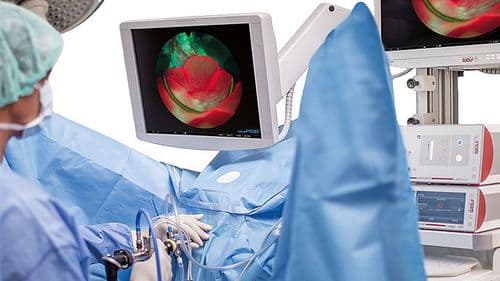
In medicine, laparoscopic surgery has become the first choice for many procedures thanks to its minimally invasive nature and high efficiency. Minimally invasive techniques let surgeons perform complex procedures through very small incisions, greatly reducing recovery time and postoperative discomfort. As technology develops, improving the sharpness and realism of laparoscopic images has also become an important factor in better surgical results.
A revolution in image quality: endoscopic technology – a complete upgrade
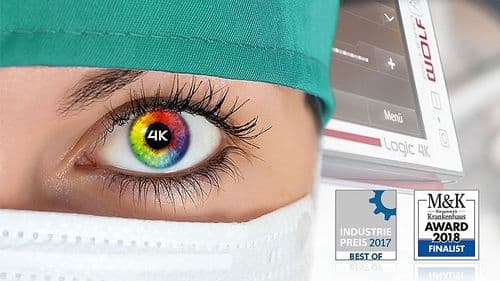
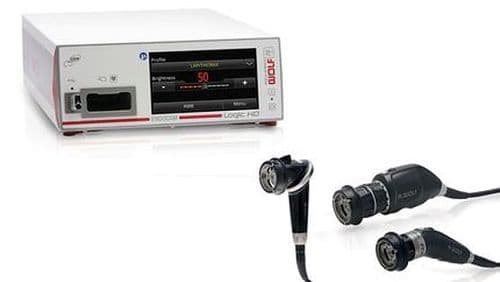
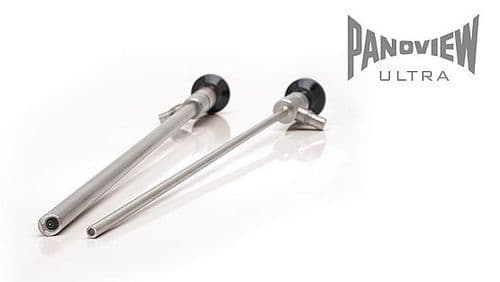
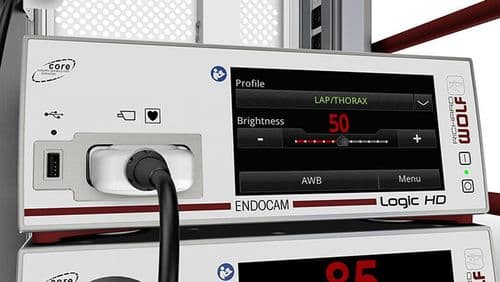
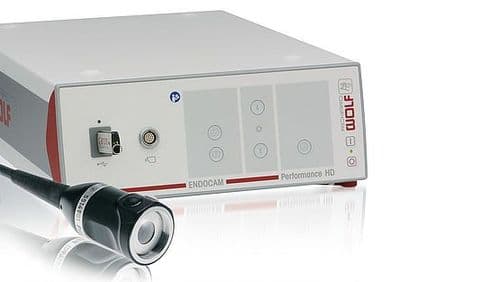
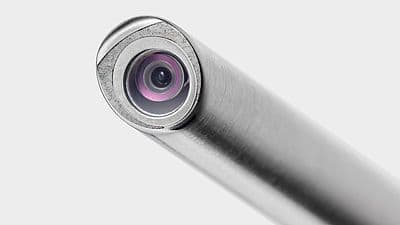
This telescope makes major advances in image quality: improvements in depth of field, light intensity and natural colors greatly increase image sharpness and realism, offering a new, advanced solution for endoscopic diagnosis. Its high compatibility with the ENDOCAM Logic 4K Ultra HD camera system also makes for a complete all-in-one endoscopy solution.
Here are its key advantages – meet the new partner for laparoscopic surgery:
Optimized high-resolution images:
- Consistent sharpness from the center to the edge of the field of view for optimal image quality.
High brightness and natural colors:
- New fiber technology increases brightness and color naturalness; under white light, the glass fibers reproduce the image faithfully, giving accurate visual information for surgery.
Seamless compatibility with existing systems:
- Works perfectly with 10 mm telescope systems, so image quality can be upgraded without replacing equipment.
Bright illumination:
- A larger aperture, optimized fiber design and high-quality glass fibers with higher light transmission ensure ample illumination for surgery.
Sharp, natural images:
- ED lens technology reduces image defects and improves edge sharpness, supporting Ultra HD/4K resolution.
Compatibility and simple handling:
- Designed for compatibility with existing systems; color coding simplifies connecting the telescope and light cable, for simple, intuitive handling and greater efficiency.
Effective control of chromatic aberration:
- Extra-low dispersion lenses improve edge sharpness and balance the sharpness gradient across a wide field of view and deep focus.
Durable:
- The fibers pass rigorous reprocessing tests and maintain high performance even after long use, outperforming ordinary fibers.
Laparoscope PANOVIEW ULTRA: applications
With optimized depth of field and light intensity, the telescope shows natural colors and Ultra HD images, greatly improving the surgeon's view. As an established minimally invasive technique, laparoscopic surgery is widely used for:
- All kinds of visceral surgery, including routine procedures such as cholecystectomy, appendectomy and inguinal hernia repair.
- More complex procedures such as laparoscopic rectal resection and bariatric surgery.
Summary
With growing patient demand for minimally invasive surgery, small-diameter instruments are becoming especially important. Minilaparoscopy, a technique used across disciplines, inherits the scarless advantages of natural orifice endoscopic surgery and single-port techniques while avoiding the challenges of surgical complexity and a steep learning curve.
It lets surgeons perform familiar procedures with smaller instruments, minimizing surgical trauma, shortening recovery and reducing postoperative discomfort. PANOVIEW ULTRA laparoscopes are an excellent partner for minimally invasive surgery and are now on sale – for details, see the official product page。