Cystoscopy is used to detect all kinds of bladder abnormalities and has been a widely used examination since urology first emerged.
It lets physicians examine and diagnose urological conditions under direct vision, for example abnormal growths such as polyps or cysts, stones in or near the bladder, chronic inflammation or infection, and ulcers of the bladder wall.
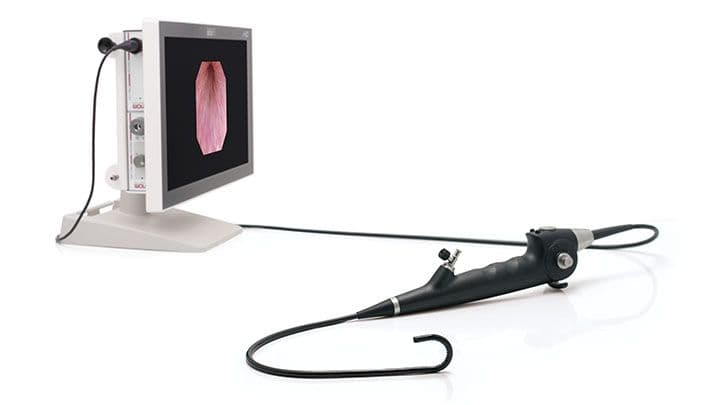
For cystoscopy, the physician uses a cystoscope – an endoscopic instrument with a fairly complex structure. There are many types with different designs, but all consist mainly of optics, a light source and a fluid channel.
How is cystoscopy performed?
Patients are usually awake during cystoscopy; the physician numbs the urethra with an anesthetic spray or gel. The tip of the cystoscope is then inserted into the urethra and slowly advanced into the bladder, where sterile fluid from the fluid channel fills the bladder – so patients may feel the urge to urinate.
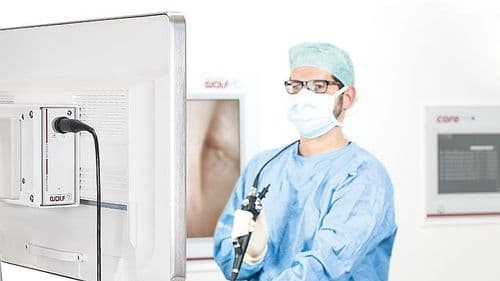
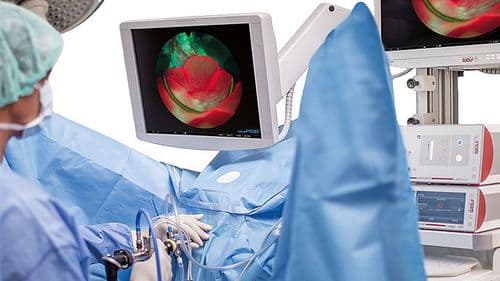
The tip of the cystoscope carries the light source and optics, which project the image onto a screen. This lets the physician see the inner wall of the bladder and check for bleeding, obstruction or mucosal abnormalities. If there is a lesion in the bladder, the physician may take a small tissue sample as a biopsy for pathological testing.
Is cystoscopy uncomfortable afterwards?
Besides the bladder, the physician also examines the urethra and, in men, the prostate. After the examination, the scope is removed and the physician explains and discusses the results with the patient.
The physician will also advise the patient to urinate at this point. Cystoscopy is an invasive examination: afterwards, patients may feel a burning sensation in the urethra and need to urinate more often, but this usually passes within a few days. Because the male urethra is longer and curved, men tend to feel more discomfort than women.
Medical instruments and equipment from Richard Wolf
The cystoscope plays a key role in cystoscopy: a clear view helps the physician make more accurate judgments as a scientific basis for diagnosis and treatment. Some diseases also need cystoscopy to confirm or support the diagnosis, so the instrument is indispensable for physicians and patients alike.
Richard Wolf specializes in high-precision medical instruments for urology, with a rich product portfolio in which every product strives to be innovative, practical and precise.
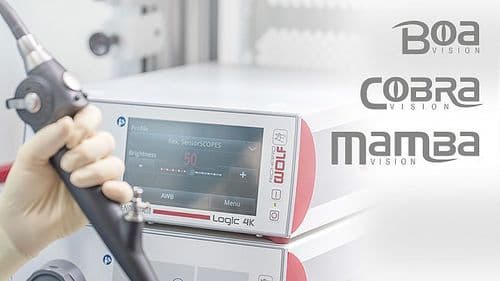
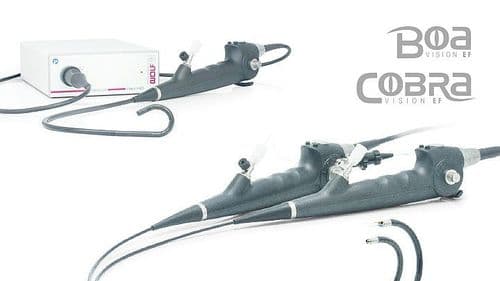
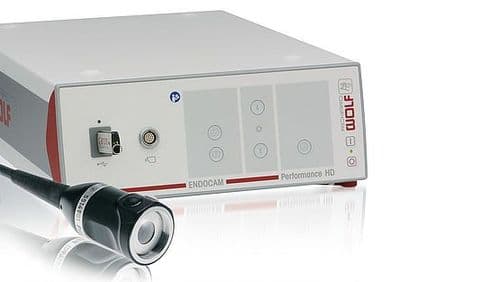
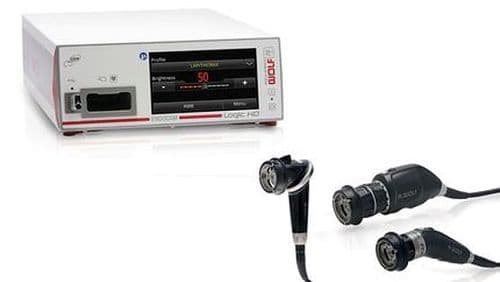
With the launch of the BOA and COBRA series, Richard Wolf now offers three flexible sensor endoscopes which, used with the ENDOCAM Logic 4K camera platform, give endourologists a clear view.
Find out more about Richard Wolf at www.richard-wolf.cn/en/disciplines/urology/surgical-techniques-in-urology/ for more about cystoscopy instruments and equipment. You are also welcome to contact us directly.
For our locations in China, please visit www.richard-wolf.cn/en/contact/sales-and-service-network/.