What is an endoscope?
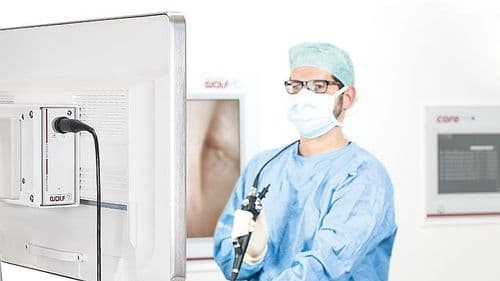
An endoscope is a medical instrument that can enter and pass through the body's passages to observe conditions inside the body. It is a long, thin tube with a light and a miniature camera at its tip. An examination with an endoscope is called endoscopy.
An endoscope can enter the body through the mouth or other natural openings, or through a small surgical incision. With an endoscope, physicians can see lesions that X-rays cannot show: introduced into the organ to be examined, it gives a direct view of changes in that area.
History and development of the endoscope
In 1806, Philipp Bozzini in Germany created the first device that could be called an endoscope. It entered the body through natural orifices to explore its passages and cavities – the origin of the endoscope.
It was not until 1853 that the endoscope was really used on people. This was partly thanks to the invention of the electric light, which replaced candles and kerosene lamps as a stable external light source. Soon afterwards, small light bulbs made illumination inside the body possible.
The first endoscopes were made of rigid tubes; although they gradually improved, they were not yet widely used. Around 1950, endoscopes began to be made with flexible tubes that could bend easily around corners inside the body. In 1965, Harold Hopkins fitted rod lenses to the endoscope, greatly improving image quality and giving a much clearer view.
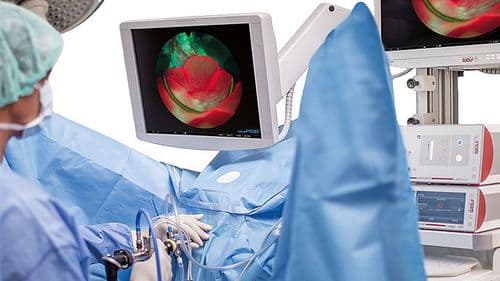
Endoscopes for both examination and surgery did not appear until the 1970s, and at first they could only be used on young, fit patients. After 1990, charge-coupled devices (CCDs) came into wide use for transmitting endoscopic images, and since then physicians have been able to view the treatment area directly on a monitor.
Today's endoscopes usually have two glass fiber bundles: light enters the body through one, and the physician views the image through the other or through a camera. Some endoscopes even have miniature integrated circuit sensors that send what they see to a computer.
Where endoscopes are used
Endoscopes play an important role in clinical practice and have a very wide range of uses: the examination and treatment of gastrointestinal, pancreatic and biliary, hepatobiliary, respiratory and urinary tract diseases, and cosmetic and plastic surgery. Some endoscopes, such as gastroscopes, colonoscopes and cystoscopes, can also be used for treatment.
Medical instruments and equipment from Richard Wolf
With more than a hundred years of history, Richard Wolf has accompanied and witnessed the development of modern endoscopic technology. The company maintains close exchange with medical experts and scientists, always follows medical trends and works closely with customers to offer a rich product portfolio.
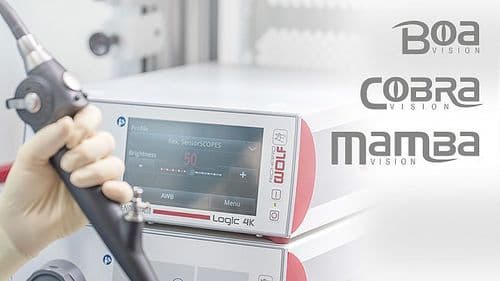
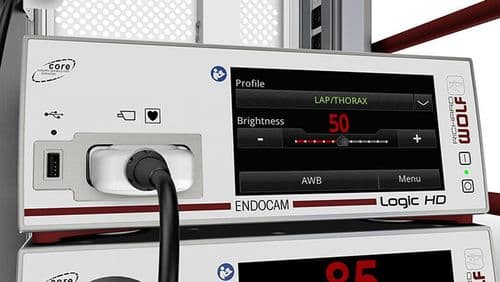
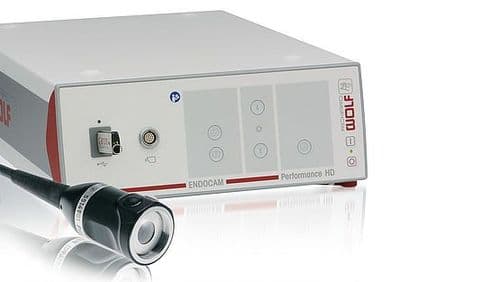
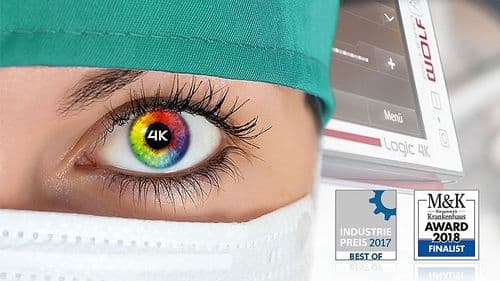
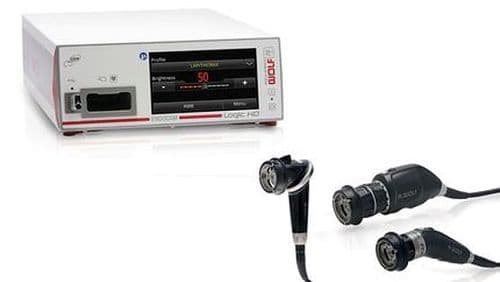
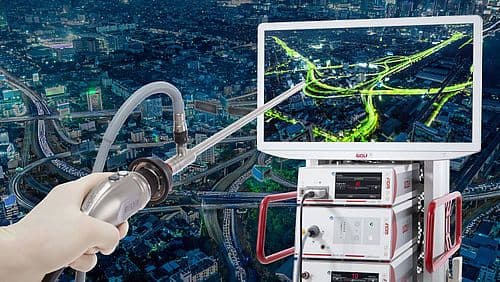
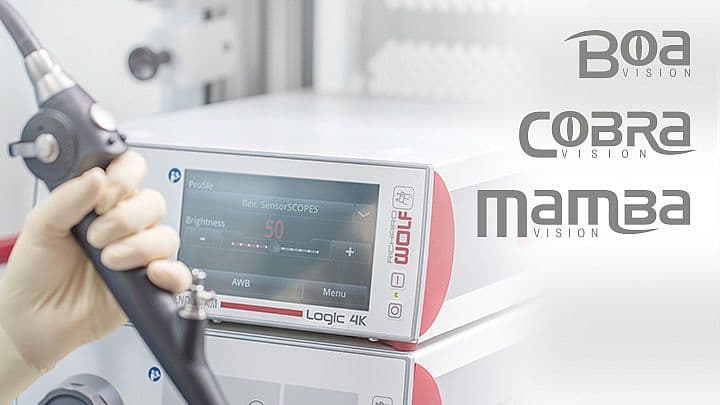
ENDOCAM Logic 4K Ultra HD Camera System
Ultra-sharp 4K resolution, which is becoming the industry standard, gives physicians more precise support for their decisions.
The BOA and COBRA flexible sensor endoscopes can be used with the ENDOCAM Logic 4K for sharp, clear HD images. A unique adjustable view quickly and automatically adjusts the light where the view is obstructed, for accurate positioning and a clear view of anatomical layers.
Find out more about Richard Wolf at www.richard-wolf.cn/en/disciplines/urology/surgical-techniques-in-urology/ for more about cystoscopy instruments and equipment. You are also welcome to contact us directly.
For our locations in China, please visit: www.richard-wolf.cn/en/contact/sales-and-service-network/.