Urology is one of the medical specialties most people are familiar with. Children, adults and older people alike may face urological conditions. Urology is a subspecialty of surgery dealing mainly with the male and female urinary tract.
The organs covered by urology include the kidneys, ureters, bladder and urethra, as well as the male reproductive organs: testes, epididymis, vas deferens, seminal vesicles, prostate, scrotum and penis.
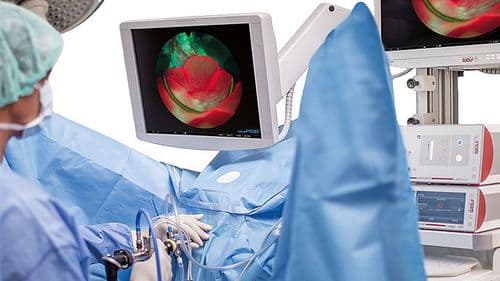
Most urological surgery today is minimally invasive – flexible ureteroscopy, for example, treats patients with instruments such as the ureteroscope.
Urological instruments and equipment
In most urological procedures, ureteroscopy instruments play an indispensable role.
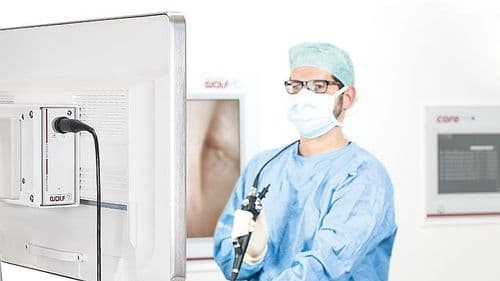
The ureteroscope is one of the most important instruments for examining urological diseases. During the examination, the physician inserts a ureteroscope less than 0.5 cm in diameter through the urethra, bladder and ureteral orifice and examines the patient's condition with a high-resolution camera system.
The ureteroscope is a type of endoscope.
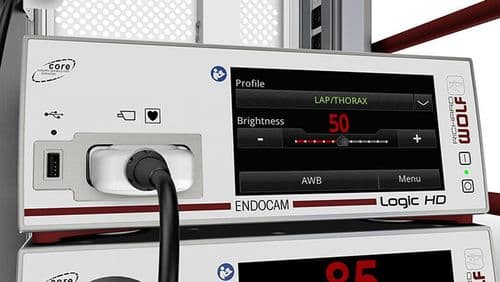
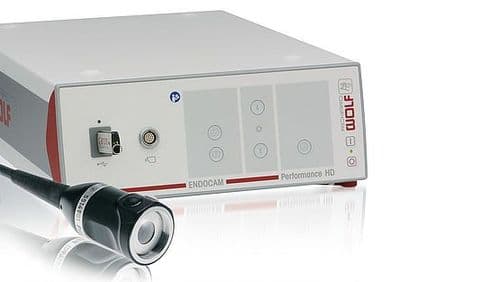
Digital ureteroscopes for the examination and surgical treatment of urological diseases require outstanding design and quality. Other instruments and equipment – such as HD camera systems, lasers, resectoscopes and PDD (photodynamic diagnosis) systems – also have a decisive influence on the outcome of urological surgery.
About ureteroscopic surgery
Decades ago, urological surgery used conventional open procedures with large incisions. These disturbed the surrounding organs more, took longer to heal and carried a higher risk of wound infection – and, of course, caused patients more pain.
As technology has advanced, instruments and equipment for minimally invasive surgery have seen outstanding innovation.
Thanks to advanced instruments and equipment, most urological conditions can now be treated minimally invasively with instruments such as ureteroscopes. Common procedures include prostatectomy, tumor resection and ureteroscopic lithotripsy.
Minimally invasive surgery with advanced instruments such as ureteroscopes greatly increases surgical efficiency.
Although minimally invasive surgery places very high demands on instruments, equipment and the surgeon's skill, it means a great deal to patients.
Patients experience less pain, recover faster and have a lower risk of recurrence.
Medical instruments and equipment from Richard Wolf
Good work requires good tools. Minimally invasive urological surgery demands a high level of skill from physicians, but the quality of the instruments and equipment is just as important – especially the ureteroscopy instrument set.
Richard Wolf provides medical equipment and instruments for minimally invasive surgery that combine innovation and quality. Since 1906 the company has been dedicated to advancing medicine and technology, and its craftsmanship and quality are recognized throughout the medical world.
Richard Wolf is also a full-range supplier in urology with an exceptionally broad product portfolio.
You are also welcome to contact us directly. For our locations in China, please visit:www.richard-wolf.cn/en/contact/sales-and-service-network/ .
Richard Wolf equipment and instruments for minimally invasive urological surgery include:
SHARK resectoscope
PIRANHA morcellation system
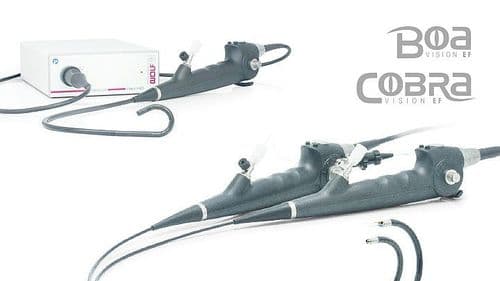
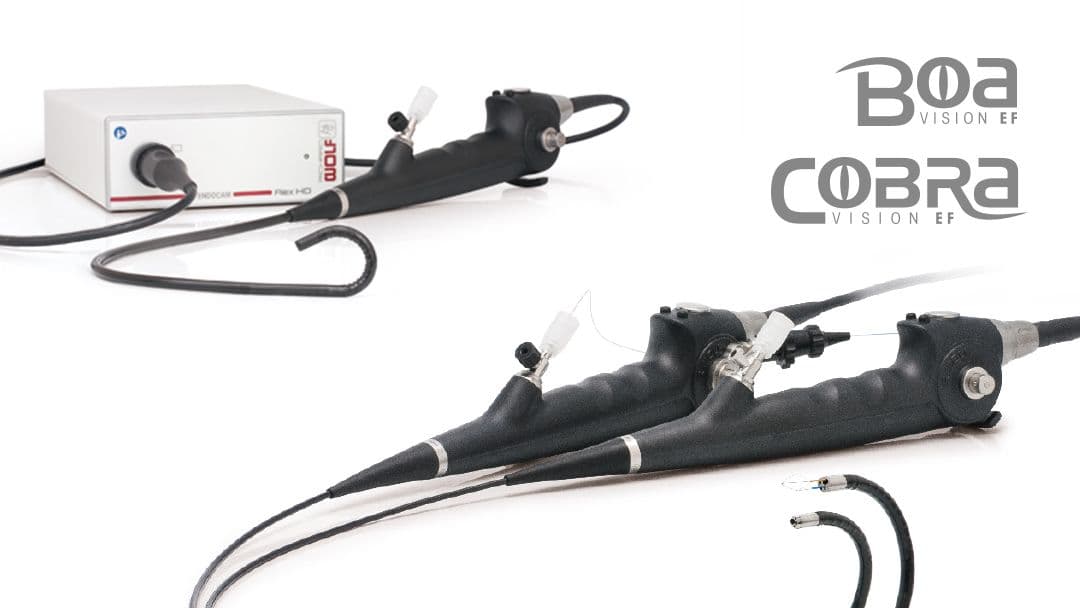
BOA & COBRA flexible ureterorenoscopes
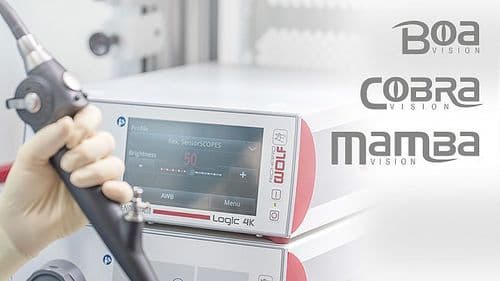
ENDOCAM Logic 4K camera system