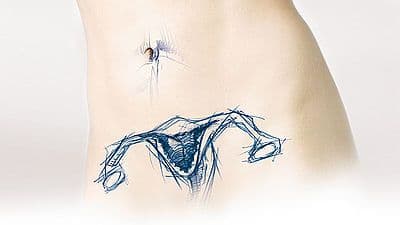
Gynecology is a branch of obstetrics and gynecology dedicated to the diagnosis and treatment of diseases of the female reproductive system.
In China, gynecology includes both Western and traditional Chinese medicine. Western gynecological diagnosis mostly uses endoscopy and hysteroscopy. For gynecological diseases that require surgery, surgeons use high-tech instruments for precise, efficient and direct treatment. Gynecology departments diagnose and treat diseases of the vulva, vagina, uterus, fallopian tubes and ovaries.
About gynecological diseases
For a long time, women in China paid too little attention to gynecological diseases, and with young people's unhealthy routines and nightlife, the women who need gynecological diagnosis are getting younger. Gynecological diseases are therefore no longer just a health issue for middle-aged and older women, but also for young women today.
Gynecology departments currently treat seven categories of conditions: gynecological inflammation, abortion, sexually transmitted diseases, menstrual disorders, infertility, gynecological plastic surgery and gynecological tumors. Common conditions include uterine fibroids, ovarian cysts, vaginitis, cervicitis, cervical erosion, pelvic inflammatory disease and adnexitis, as well as dysfunctional uterine bleeding, breast diseases, infertility, menstrual disorders, endometritis and abnormal discharge.
Examining gynecological diseases
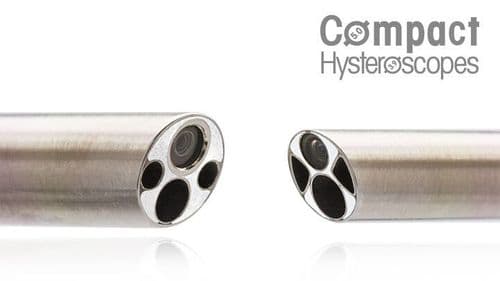
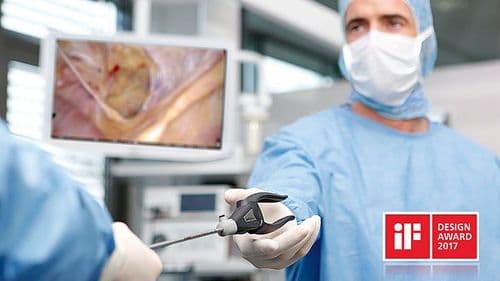
Besides routine external examination, speculum examination of the vagina and cervix and gynecological ultrasound, diagnostic hysteroscopy is now the standard method when a thorough examination of the uterine cavity is needed. For patients with intrauterine lesions, hysteroscopy documents the findings more accurately and directly and allows the lesions to be assessed.
Examples include postmenopausal breakthrough bleeding, heavy menstrual or uterine bleeding, suspected endometritis, polyps, submucosal fibroids and endometrial or cervical cancer.
Diagnostic hysteroscopy is also used to examine fertility and infertility patients, including patients with infertility, premature or late births or recurrent miscarriages, and to investigate possible uterine anomalies.
Gynecological surgical techniques and instruments
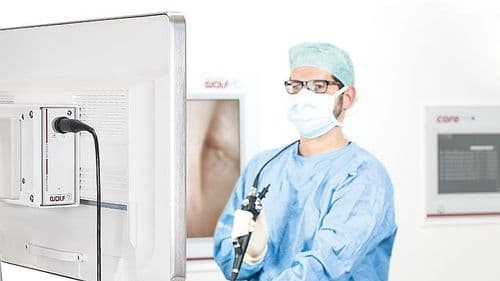
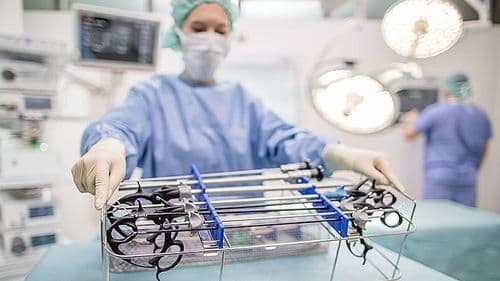
Surgery for gynecological diseases today is mainly minimally invasive, using hysteroscopy and gynecological laparoscopy. With precise instruments made using advanced manufacturing technology, surgeons treat the uterus, ovaries and fallopian tubes. Minimally invasive surgery is a technological blessing for patients: compared with open abdominal surgery and its large wounds, it is more acceptable to patients, shortens recovery considerably and causes very little pain.
As a leader in minimally invasive surgical instruments, Richard Wolf has worked closely with leading gynecologists to develop advanced instrument sets and system solutions for all kinds of hysteroscopic and laparoscopic applications. Throughout development, our first priority has always been to further reduce potential risks.
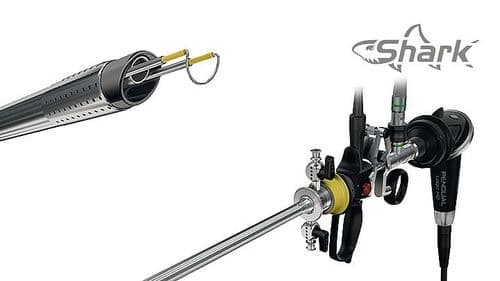
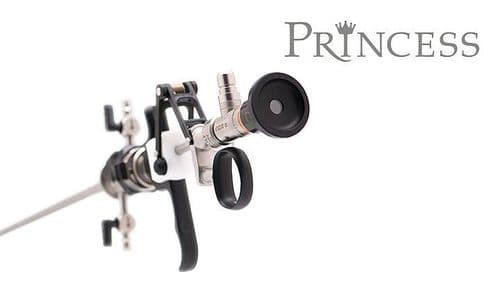
Richard Wolf instruments and equipment for minimally invasive gynecological surgery fall into two main groups – hysteroscopy and gynecological laparoscopy – and can be used for most minimally invasive gynecological procedures. For details, see the [Surgical Techniques in Gynecology] page on the Richard Wolf website.
You are also welcome to contact us directly. For our locations in China, please visit:www.richard-wolf.cn/en/contact/sales-and-service-network/.